Iran's Grip on the Strait of Hormuz: A Threat to Global Energy Security
Geopolitical Context
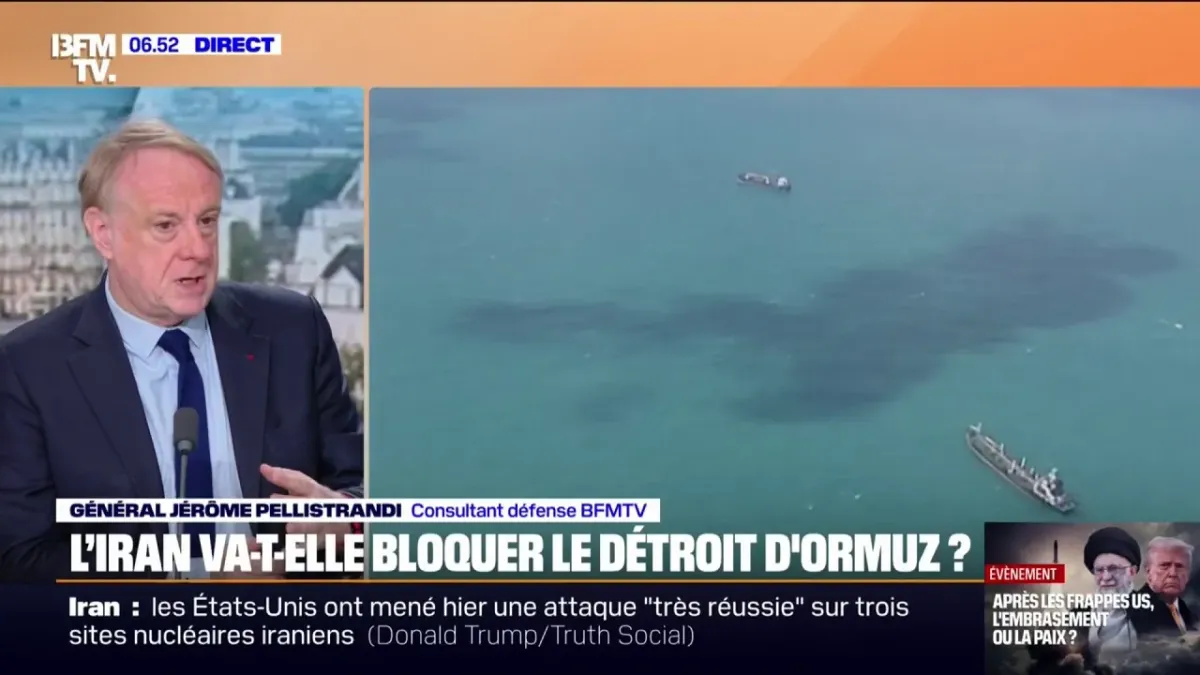
The Strait of Hormuz is a mere 21 miles wide at its narrowest point, making it a strategic chokepoint for international oil trade. Iran's proximity to the strait and its history of using military force to exert influence in the region have raised concerns about the potential for conflict. The United States, China, and other major oil-importing countries have a significant stake in maintaining the free flow of oil through the strait.
Details of the Threat
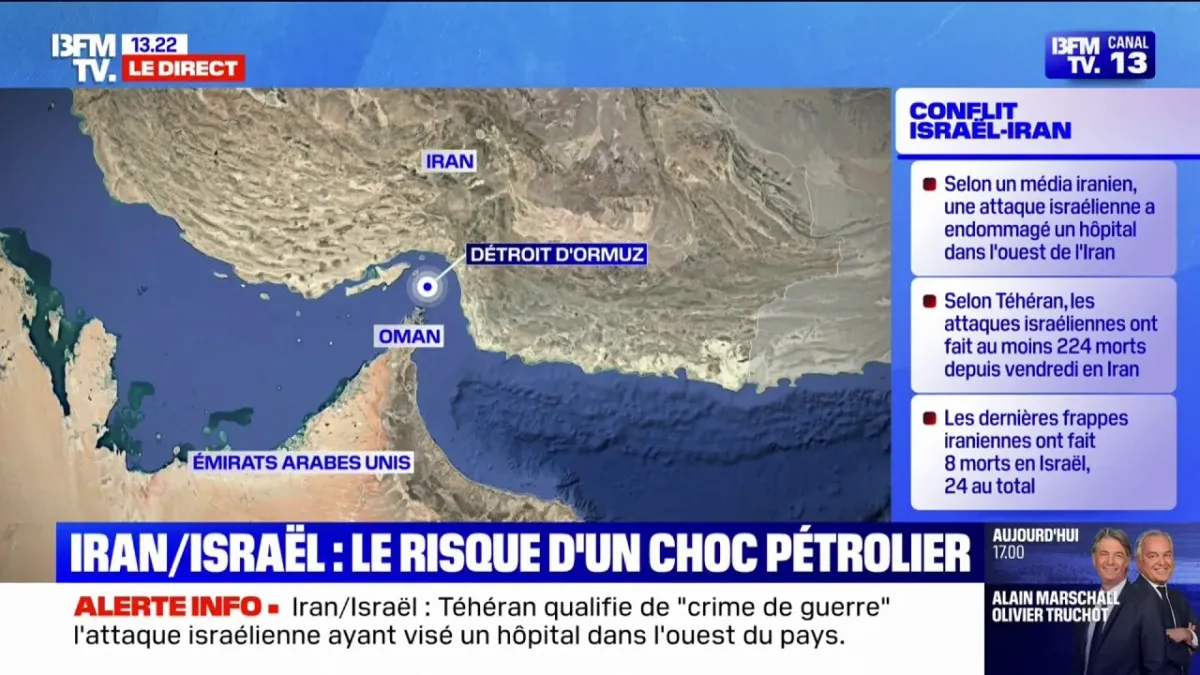
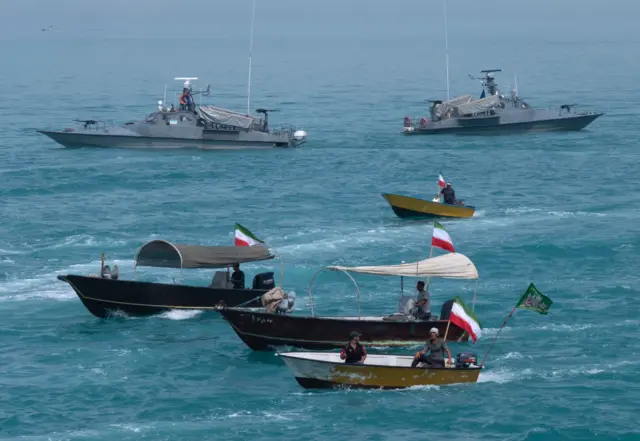
Iran's threats to close the Strait of Hormuz are not new, but the current situation has escalated tensions. The country's military has conducted exercises in the strait, and its leaders have warned that they will not hesitate to use force to protect their interests. The consequences of such an action would be severe, with oil prices likely to skyrocket and global economic growth potentially grinding to a halt.
Implications for Global Energy Security
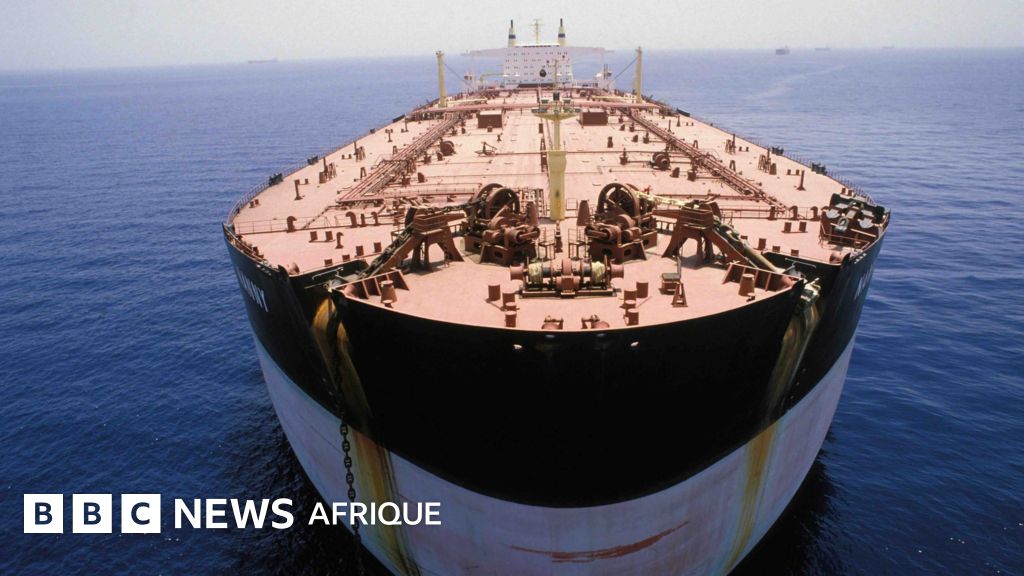
The potential closure of the Strait of Hormuz has far-reaching implications for global energy security. The strait is a critical artery for the flow of oil, and its closure would require alternative routes, such as the Sumed Pipeline in Egypt or the East-West Pipeline in Saudi Arabia. However, these alternatives have limited capacity and would not be able to compensate for the loss of the strait. The resulting oil shortage would have a devastating impact on the global economy, with prices soaring and growth slowing.
International Response
The international community has taken notice of the escalating tensions in the Strait of Hormuz. The United States has increased its military presence in the region, and other countries, such as China and the European Union, have called for restraint and diplomacy. The situation remains volatile, with the potential for miscalculation or accident sparking a wider conflict. As the world watches, one thing is clear: the Strait of Hormuz is a critical flashpoint in the global energy landscape, and its stability is essential for maintaining global economic security.
Le Détroit D'Ormuz : L'Iran Peut-il Fermer Le Détroit Et Quelles
Le détroit d'Ormuz : L'Iran peut-il fermer le détroit et quelles ...
Iran: Fermer Le Détroit D’Ormuz Serait «extrêmement Dangereux» - Lematin.ch

Iran: Fermer le détroit d’Ormuz serait «extrêmement dangereux» - lematin.ch
Le Détroit D'Ormuz : L'Iran Peut-il Fermer Le Détroit Et Quelles
Le détroit d'Ormuz : L'Iran peut-il fermer le détroit et quelles ...